The range of a large firm, without the layers.
Harmony Dev LLC is a senior engineering practice building AI automation, custom applications, and the architecture underneath them — across manufacturing, logistics, professional services, regulated operations and B2B SaaS. No layers, no handoff to juniors.

We started Harmony Dev LLC because of a pattern we kept running into from inside larger consultancies: the senior people who scoped the work were rarely the ones who built it, and the client ended up with software nobody on their side understood.
So the model here is senior-only and cross-disciplinary. Architecture, data, platform, and the application on top are handled by people who have shipped each of them before — and whoever sits in the scoping call is on the build. Engagements are deliberately limited in number so each one gets that attention, which occasionally means we can’t start the week you want us to.
Most of our work now is AI automation and the custom applications that carry it — but the reason those projects succeed is usually the unglamorous part: the data was mapped, the boundaries were drawn on purpose, and someone wrote down why. That is a habit built across a lot of different industries, and it transfers.
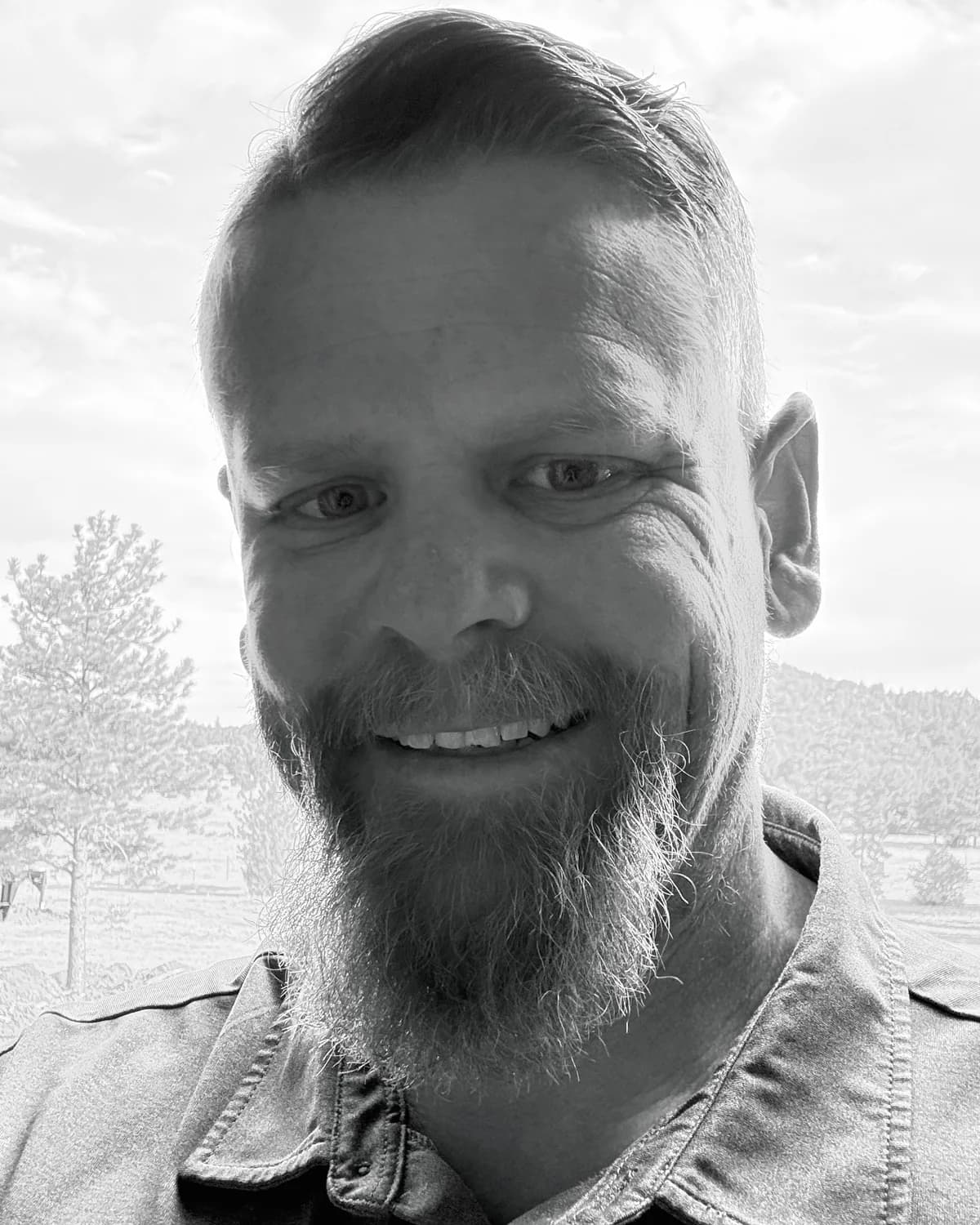
Damon Bruce
Harmony Dev is an engineering practice built on a straightforward principle: the people who scope your system should be the ones who build it. Damon founded it after more than twenty years across software engineering, technology and leadership — most of that spent on systems that had outgrown whatever they were originally designed to be.
That experience runs wide on purpose. Manufacturing floors and industrial quoting. Logistics networks and the exception handling that eats the margin. Professional services back-offices, regulated financial and healthcare operations, field service fleets, and B2B SaaS platforms hitting the ceiling of their original architecture. The same failure patterns recur across all of them, and having watched a quoting process break in three different sectors is what makes the fourth one quick to diagnose.
The work spans every layer of the stack — infrastructure and data models through to the screen someone taps at 6am with gloves on — because that is where problems actually live. The reason a quote takes three days is almost never inside one tier; it is in the handoffs between them, and you cannot see those from a single vantage point.
Most of the practice's work now is AI automation and business workflow: finding the decisions a company makes thousands of times a year, and rebuilding them as systems that are fast, auditable, and still leave a person on the calls that matter. We are deliberate about where models belong and where they do not, and we would rather say so on the first call than three months into a build.
Damon scopes every engagement personally and stays on it through delivery. Whatever the discipline a problem turns out to need — architecture, data, platform, or the application on top — it is handled by someone senior who has done it before.
“The advice that costs us the engagement is usually the advice worth paying for.”
Four things we don't trade away

01Say the unwelcome thing
The advice that costs us an engagement is usually the advice worth paying for. We'd rather lose a project than take one we don't believe in.
02Own the outcome, not the account
We don't have account managers. The engineer who scoped it is the engineer you email at 4pm on a Thursday.
03Leave it better documented than we found it
Including the parts we didn't build. If we find undocumented tribal knowledge on the way through, we write it down.
04Ship something real in six weeks
A demo isn't shipping and a staging environment isn't production. Six weeks, real users, real data, measured.
Work with the people who'll build it.
No account manager, no discovery deck. Thirty minutes with an engineer who'll be on the project if it happens.