A dispatch system that survived the August heat wave
Constraint-aware scheduling and an offline-first technician app replacing a whiteboard, three spreadsheets, and a group text — built and live in fourteen weeks.
Where they were
A commercial HVAC contractor with 140 technicians scheduled every job from a dispatcher's memory.
One in five visits ended without the right part on the truck, and emergency calls destroyed the day with no way to re-plan.
Three field-service platforms had been evaluated; none could express the certification and equipment constraints the work actually had.

What we did
01Encoded the constraints the dispatchers carried
Certifications, truck inventory, drive time, customer SLA, and the informal rules about which techs work well at which sites — captured explicitly, then used by the scheduler.
02Predicted parts at booking time
A model trained on eight years of job history surfaces likely parts by equipment model when the call is taken, so trucks are stocked before they leave the yard.
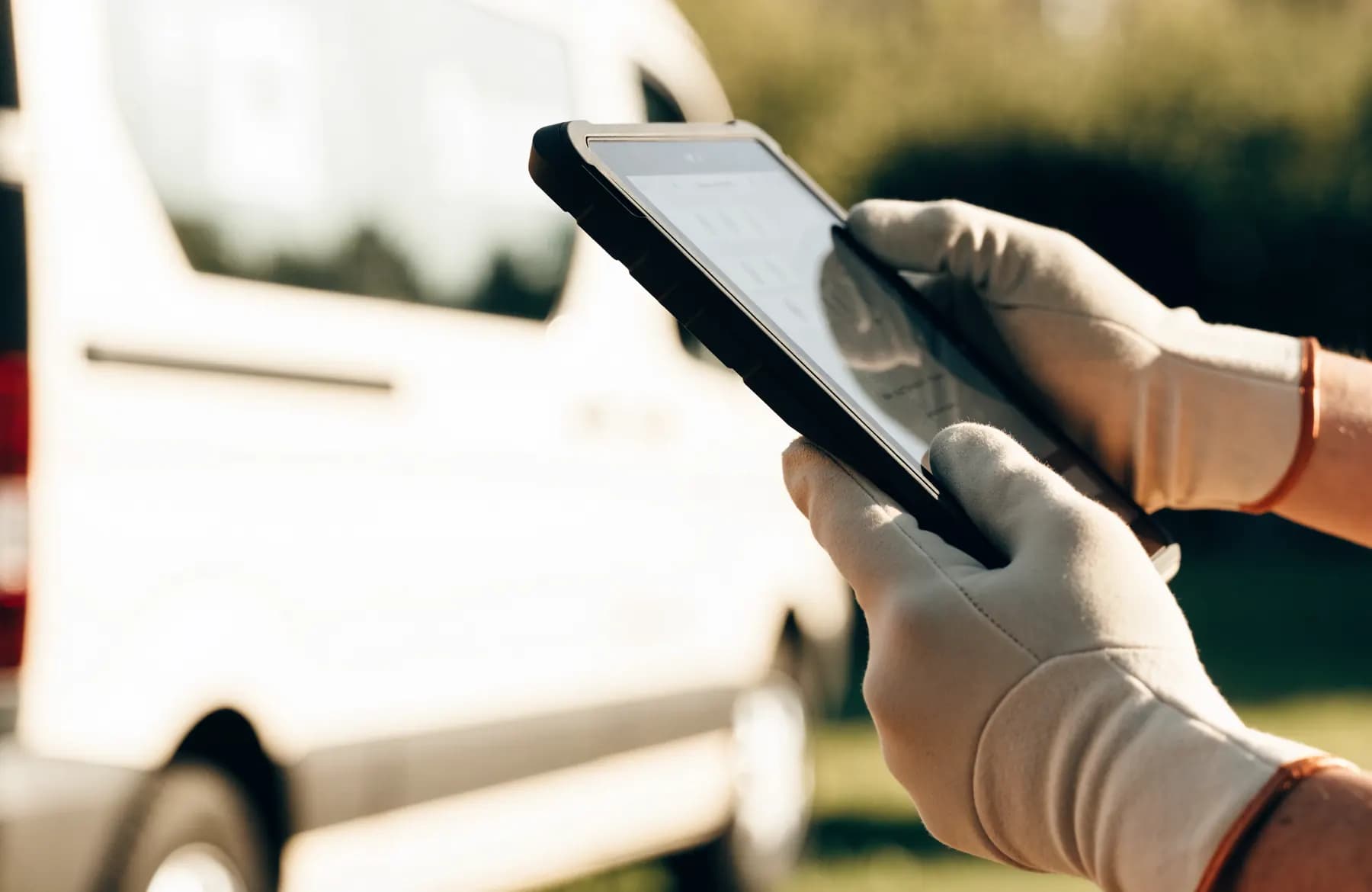
03Designed the mobile app around gloves and bad signal
Offline-first, four taps to close a job, and voice notes that get structured into the work order. Adoption was 100% in week two because it was faster than the paper it replaced.
04Re-optimized when reality intervened
Emergency calls trigger a re-plan of the remaining day with the smallest set of changes, and affected customers get an updated window automatically.
“During the August heat wave we ran 40% above normal call volume with the same crews. The old whiteboard would have simply fallen over.”
What it was built with
Let’s talk about yours.
Mention this case study in your note and we’ll come to the call with the specifics of how it went — including what we’d do differently.